
This month, that idea became less of a clinical phrase and more of a lived practice. The breathwork nervous system connection sits at the centre of what I want to say here.
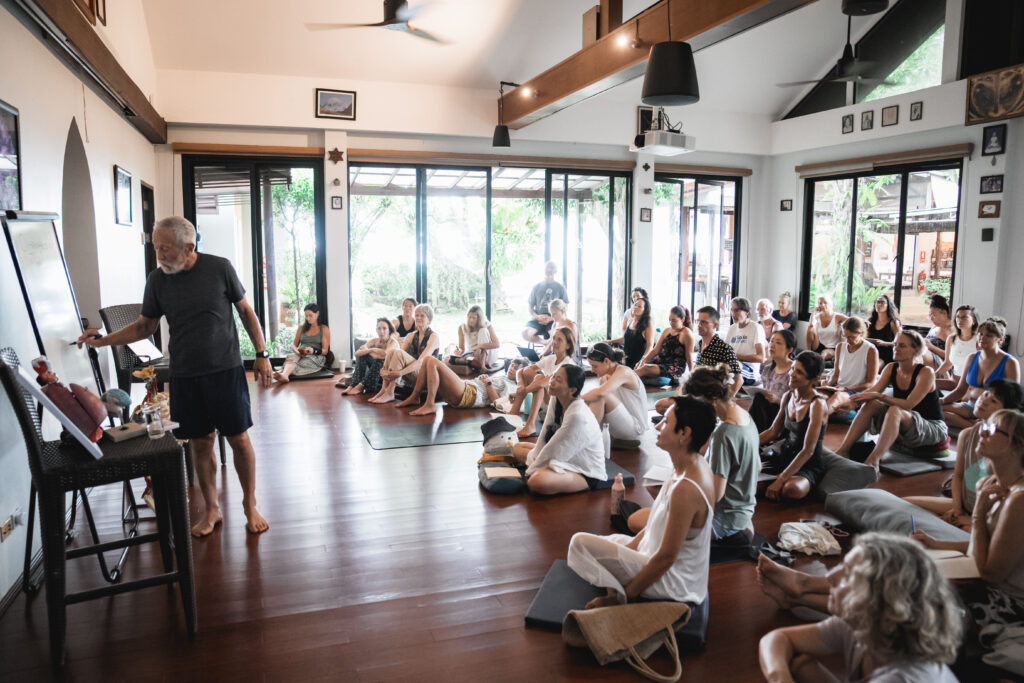
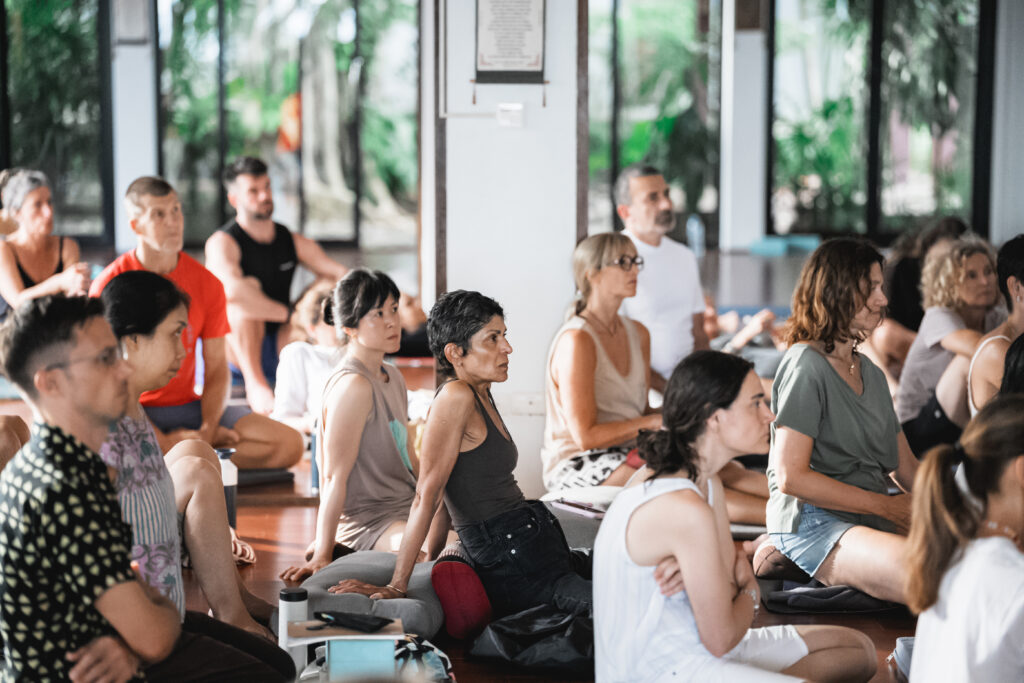
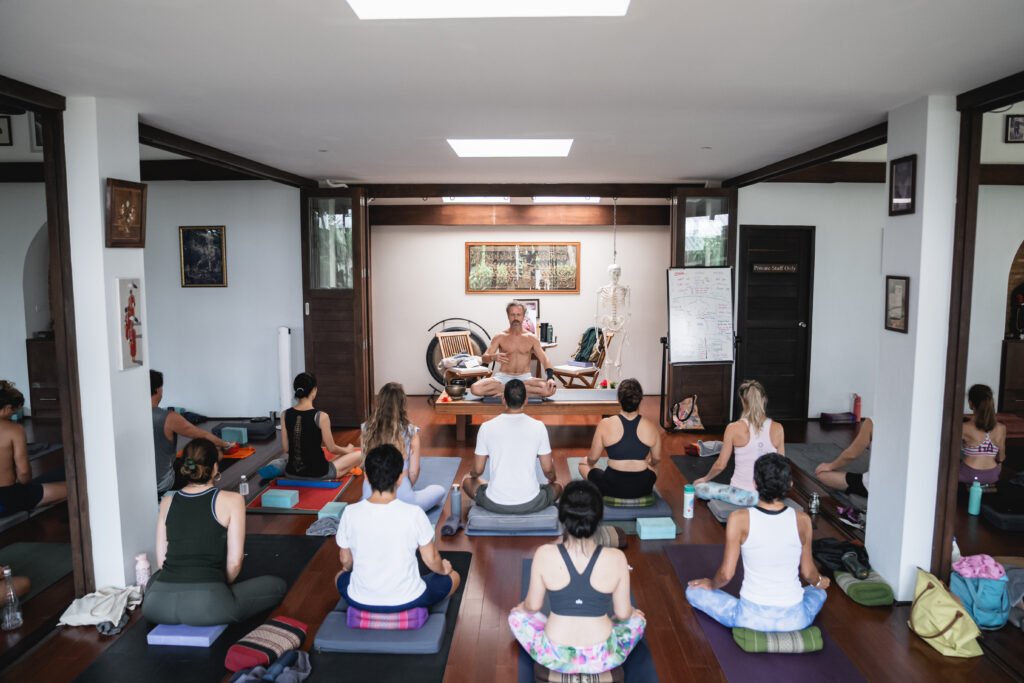
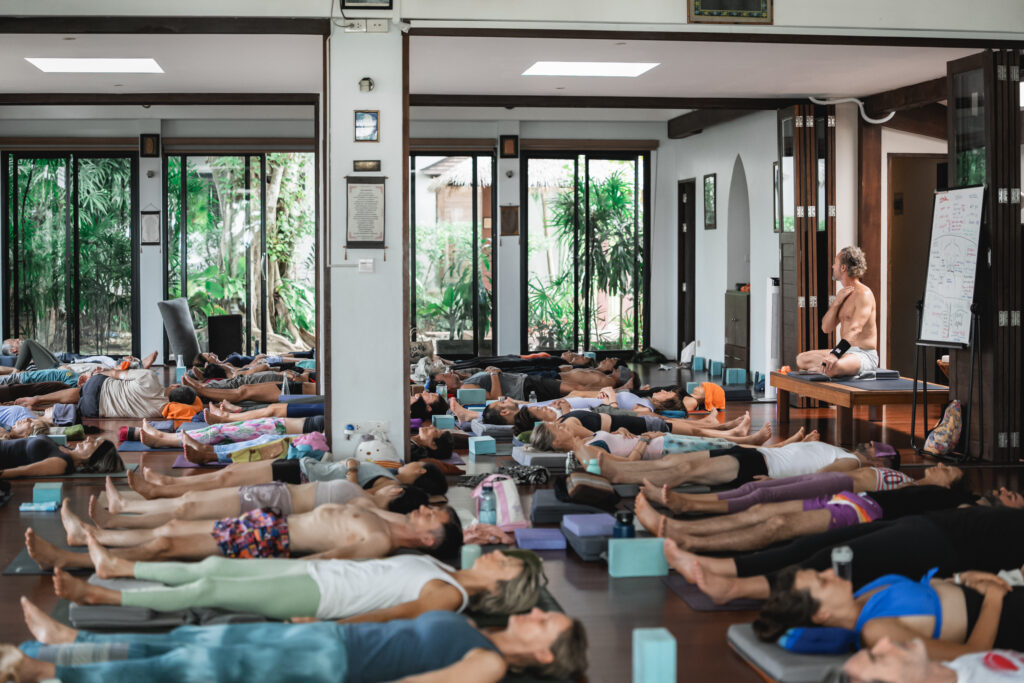
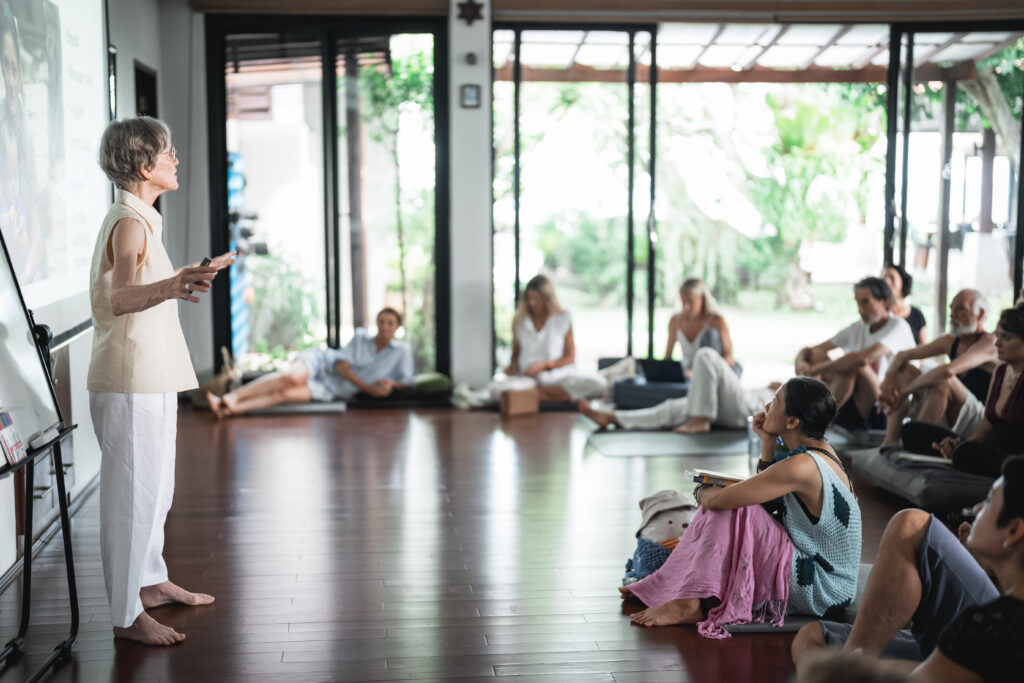
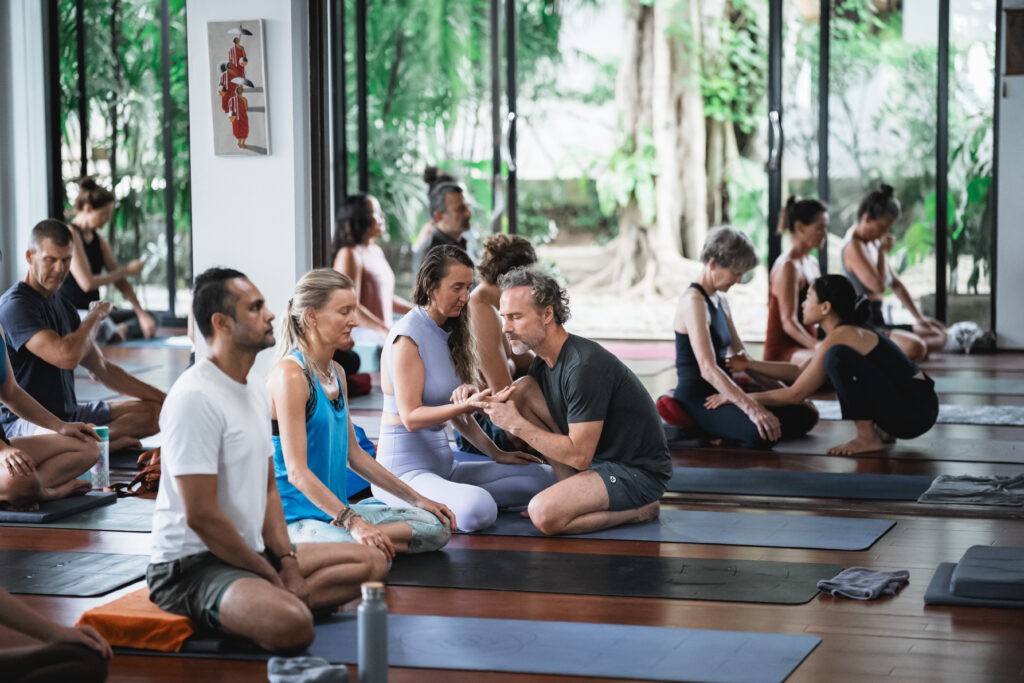
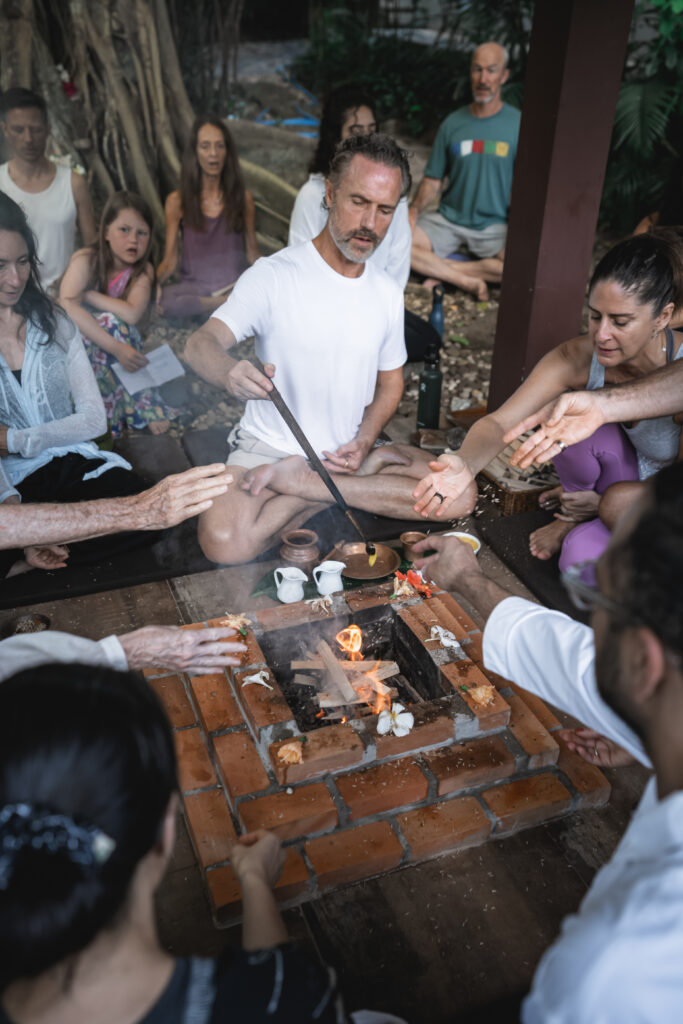
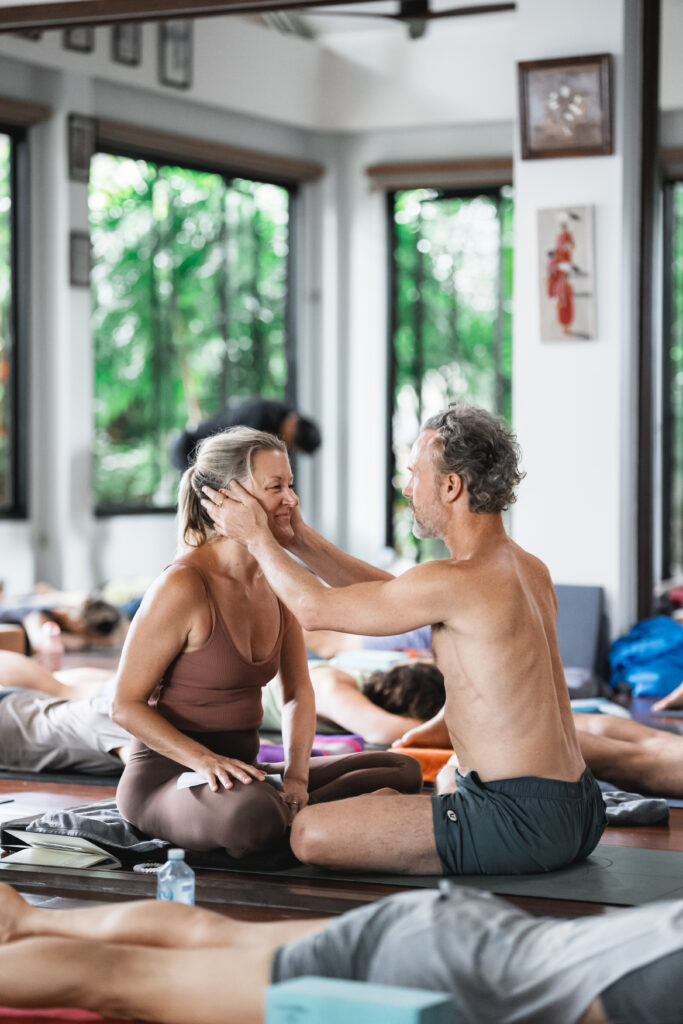
I travelled to the quieter southern coast of Koh Samui for the inaugural Breath and Personal Transformation Summit at Samahita Retreat, a centre that has been teaching yoga, breath and meditation since 2003. My reason for going was not to collect another protocol or position myself as the expert in the room. The intention was to learn, practise and spend sustained time inside the physiology I discuss so often with patients.
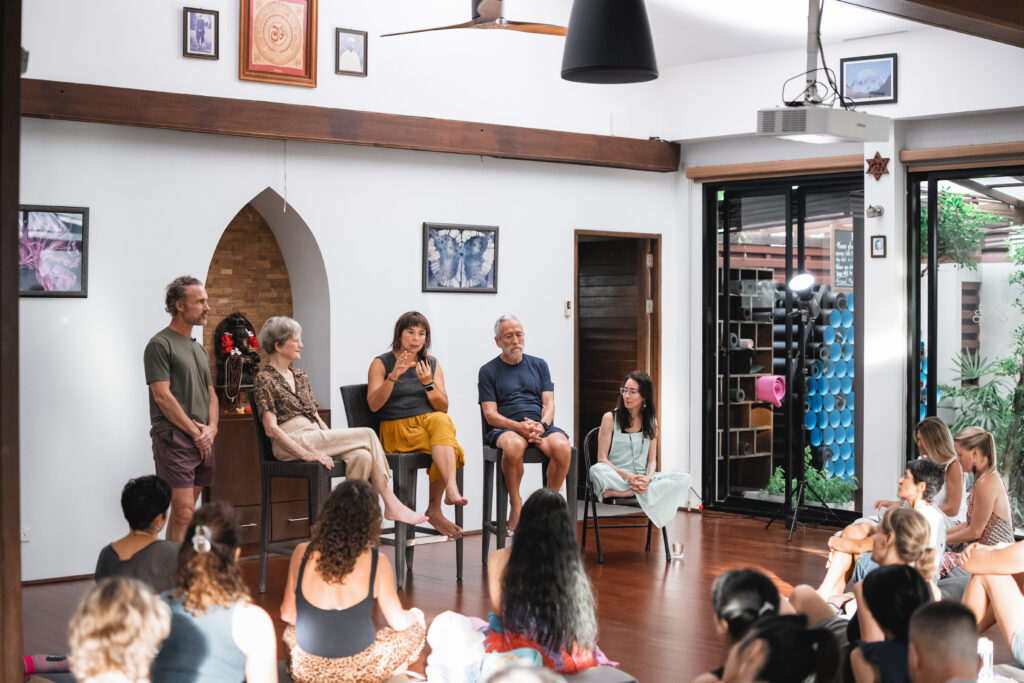
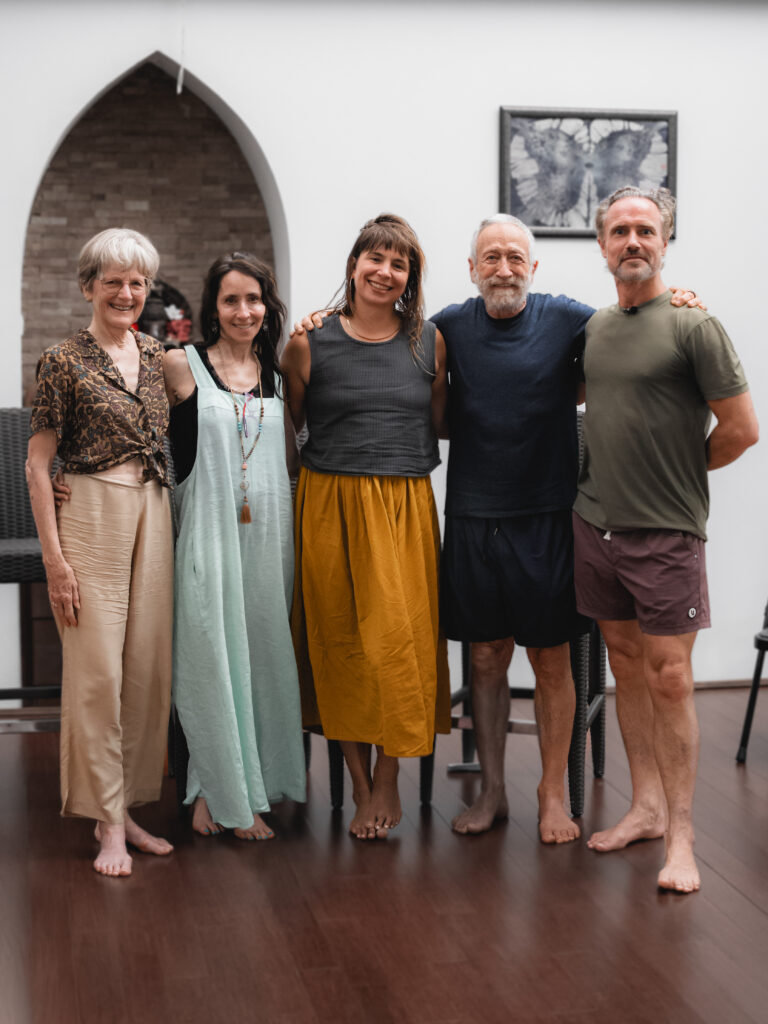
The summit was hosted by Dr Paul Dallaghan and Professor Elissa Epel, with Dr Carol Worthman, Dr Eve Ekman and Dr Jack Feldman joining as guest faculty. It brought together serious breath and pranayama practice, yoga, meditation, contemplative psychology, neuroscience, stress biology and the science of longevity.
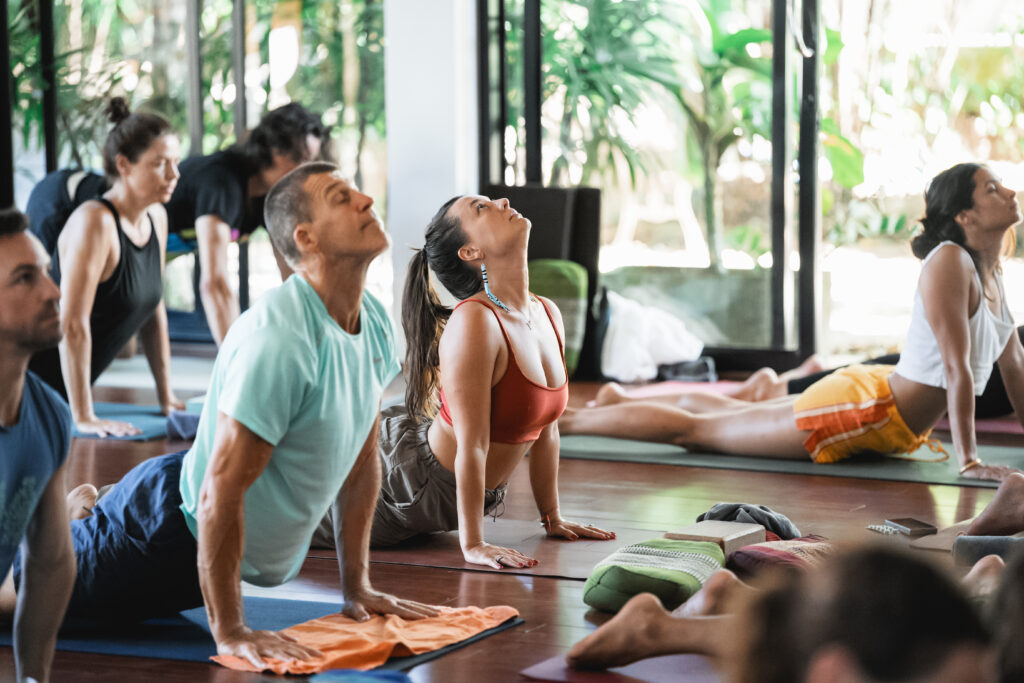
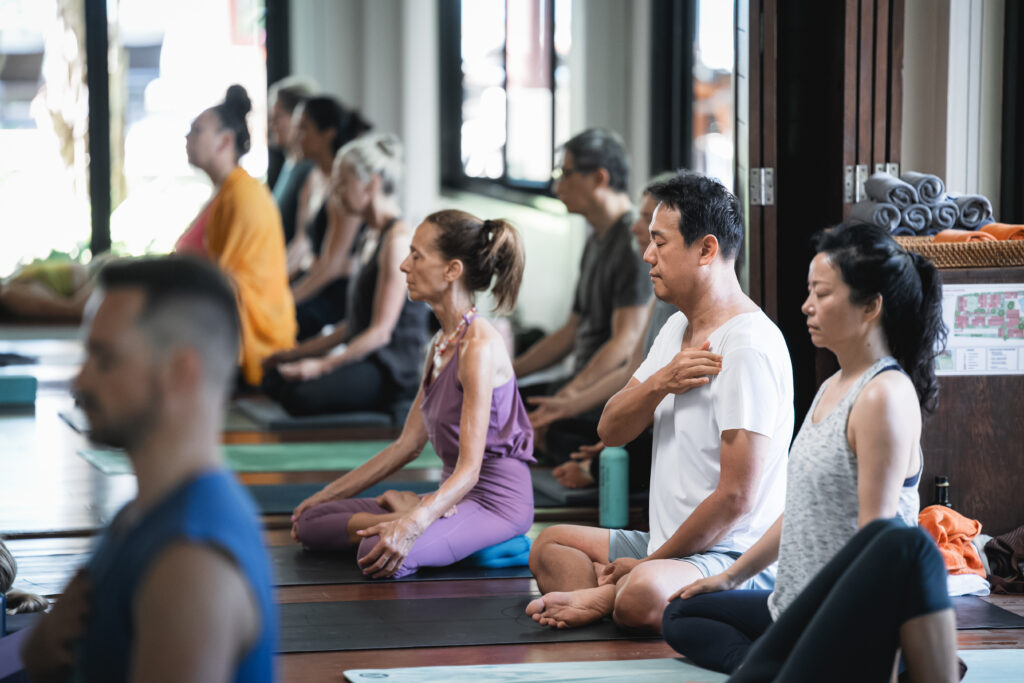
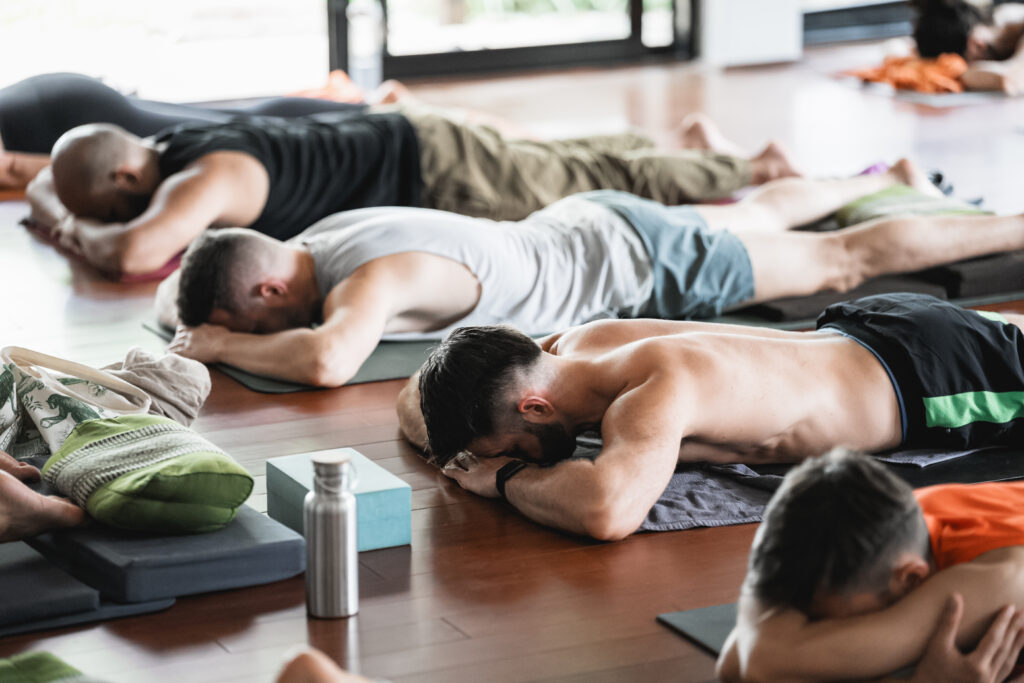
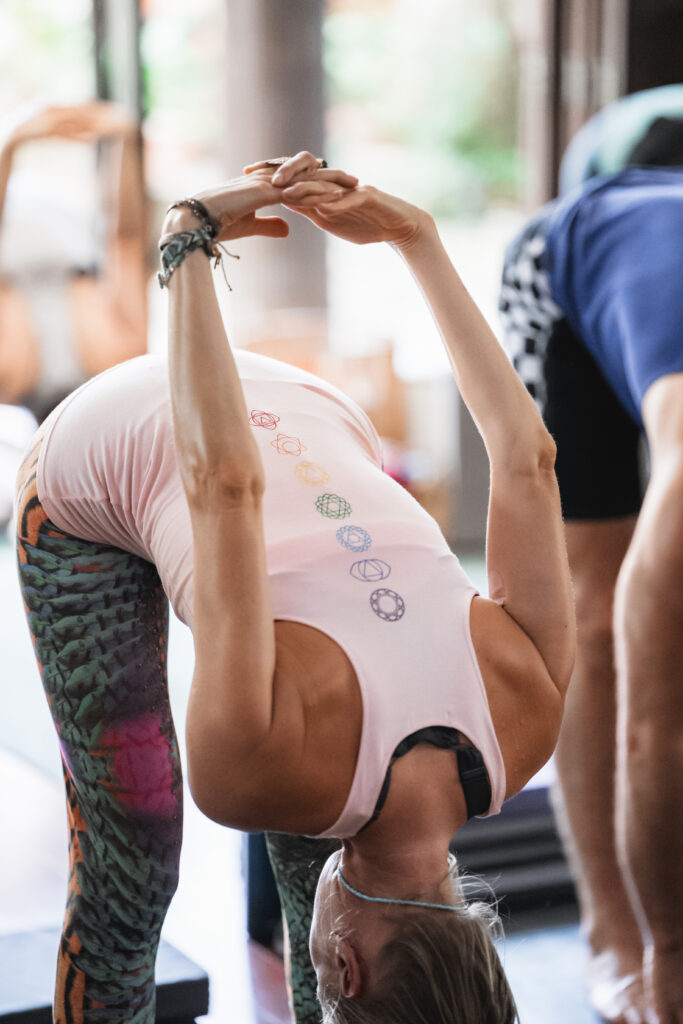
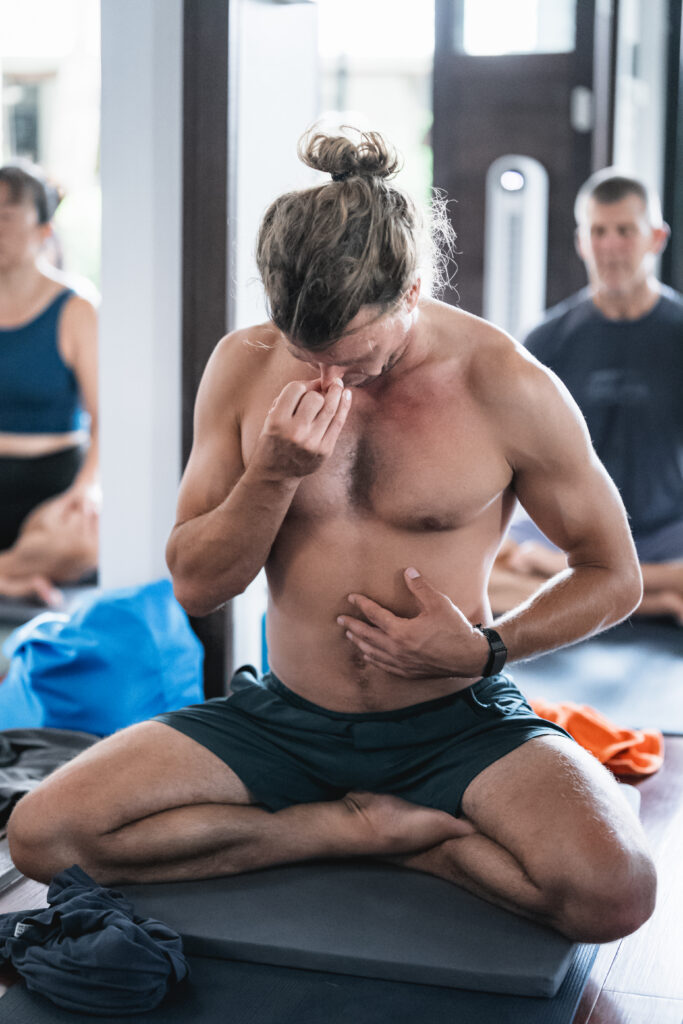
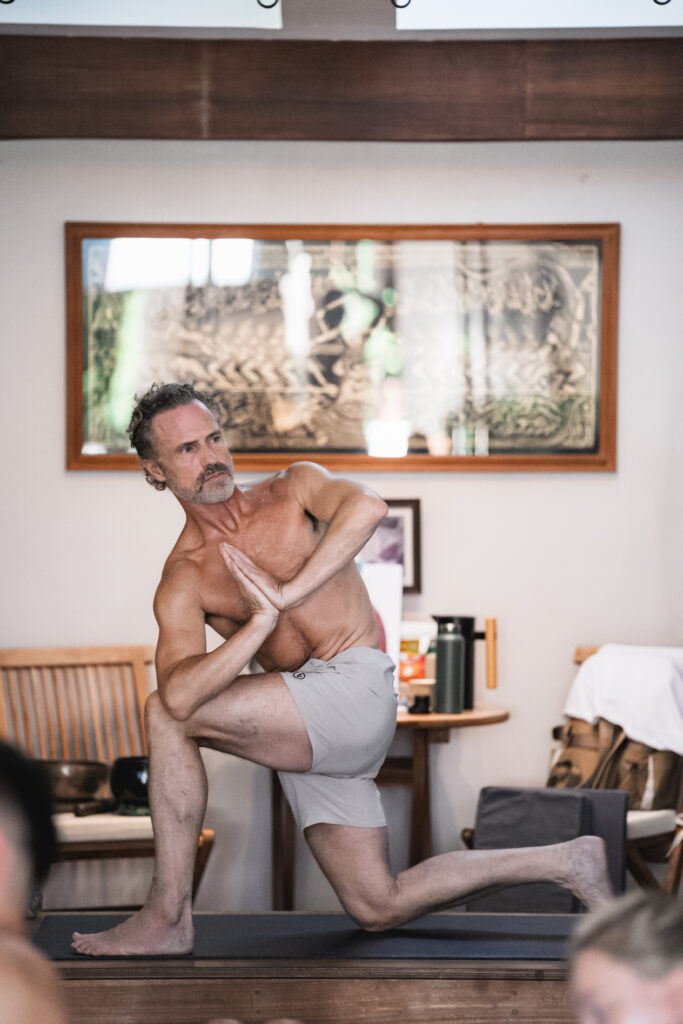
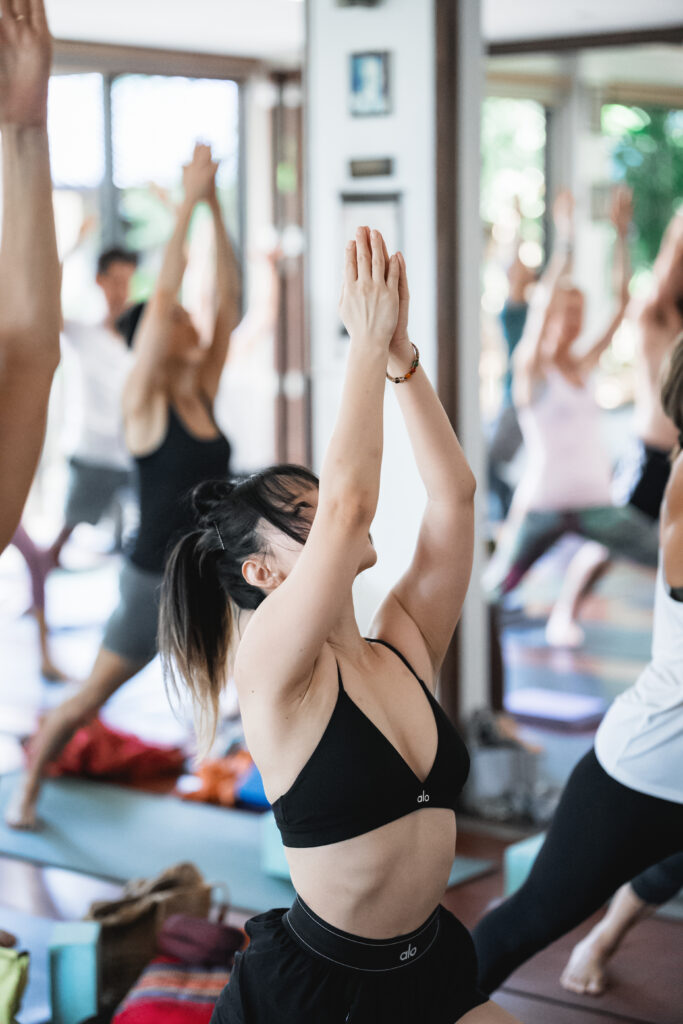
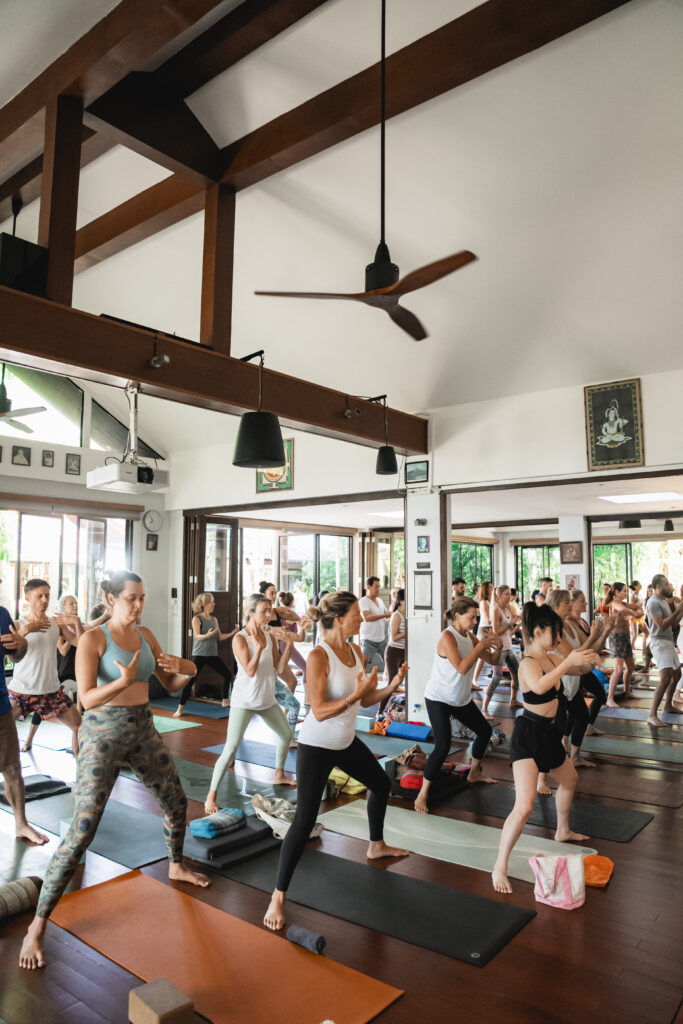
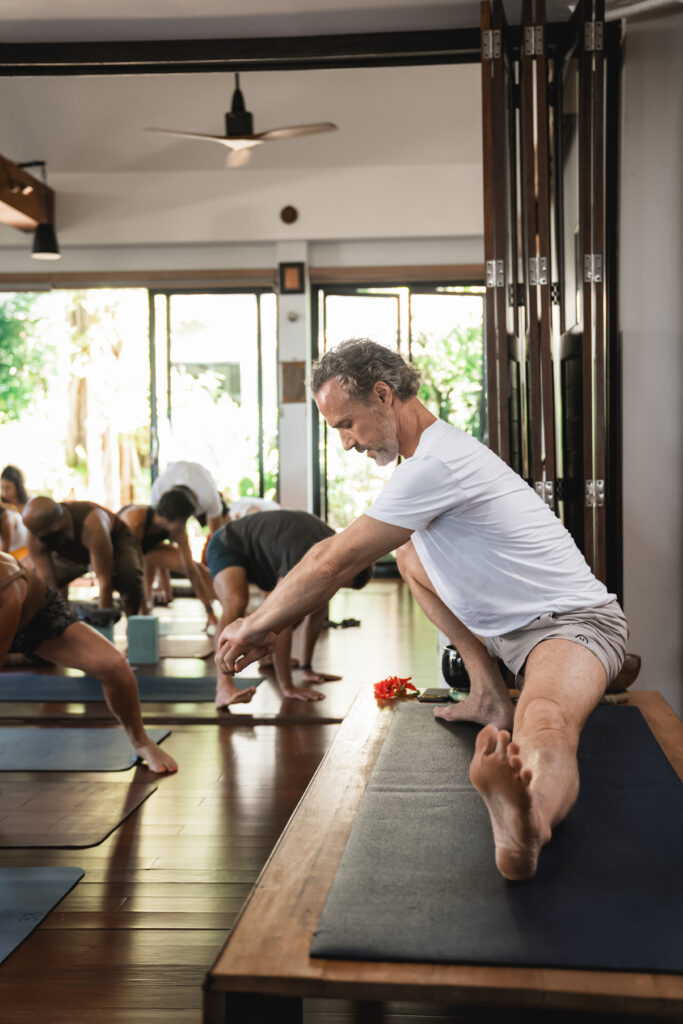
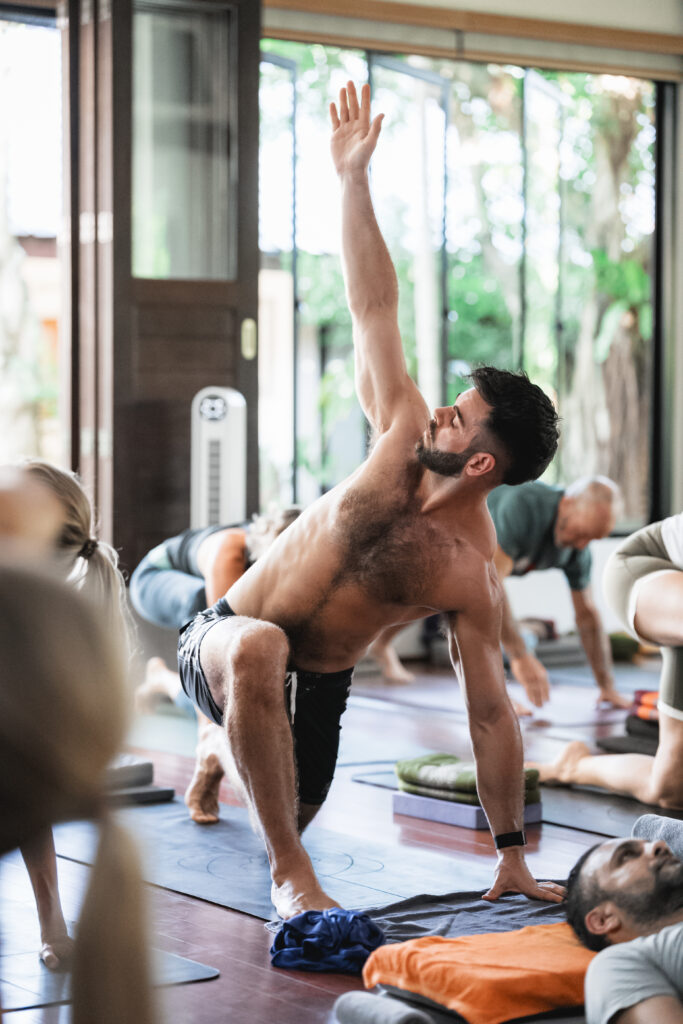
The rhythm of each day mattered. There were quiet mornings, movement and asana, detailed breath regulation, full pranayama practice and meditation. Afternoons moved into scientific teaching, dialogue and questions, before returning to guided breath practice later in the day.
This was not wellness as entertainment. It was immersive, disciplined and, at times, deeply challenging. It reminded me that breath, meditation and yoga are not decorative additions to medicine. Used intelligently, they can meaningfully influence how we experience stress, emotion, attention and the body itself.
They are powerful medicine. But medicine requires the right dose, the right timing and an understanding of the person receiving it.
Breathwork nervous system effects: not one thing
The current enthusiasm for breathwork has brought valuable practices into the mainstream. It has also produced the familiar wellness problem of assuming that more intensity must mean more benefit.
It does not.
Slow breathing, classical pranayama, cyclic hyperventilation, breath holds, humming, alternate-nostril breathing and quiet nasal breathing are different physiological inputs. They should not be discussed as though they are interchangeable.
A forceful breath practice may feel liberating to one person and dysregulating to another. In people with a sensitised nervous system, panic, trauma, post-viral illness or complex medical symptoms, the entry point may need to be gentler and more carefully titrated.
One of the most compelling sessions came from Dr Jack Feldman, the neuroscientist who identified the preBötzinger complex, a brainstem region central to generating respiratory rhythm. His work encourages us to see breathing as more than gas exchange. Breathing creates a rhythm that is distributed through the brain and interacts with arousal, emotion and cognition.
One hypothesis he presented is that slowing the breath changes the timing relationships between brain-wide oscillations, potentially interrupting some of the entrenched activity associated with anxiety. But he was equally clear about the limits of the evidence. The possibility that repeated slow breathing produces durable synaptic change in humans remains a hypothesis, not a settled fact.
That restraint was refreshing.
We do not need to pretend that one breathing session rewires the brain. The more defensible and clinically useful point is that breath is one of the rhythms the brain uses to organise itself. Changing that rhythm changes the physiological landscape in which attention, emotion and arousal are taking place. The effects are more likely to come through regular practice than one dramatic experience.
Meditation needs to be more precisely prescribed
Dr Eve Ekman sharpened another important point: meditation is not one single intervention.
A focused-attention practice, a compassion practice, open awareness and perspective-taking are training different capacities. They may affect subjective stress, social connection, emotional regulation and stress physiology in different ways. Her central message was simple: what you practise matters.
This fits closely with my clinical experience. Telling someone to meditate is rather like telling them to exercise without asking whether they need strength, mobility, aerobic capacity or rehabilitation. The practice has to fit the person, their state and the capacity we are trying to develop. This holds as much for breathwork nervous system work as for any other clinical tool.
Professor Elissa Epel, deep rest and Oura
Professor Elissa Epel’s work has intrigued me for years. She has spent decades examining stress, behaviour, metabolism and cellular ageing. At Samahita, she moved beyond the usual instruction to reduce stress and asked a deeper question: what is the mental model through which the nervous system is interpreting the future?
The way we hold what lies ahead is not merely a philosophical position. It influences threat appraisal, whether we mobilise or withdraw, and the physiological baseline from which we meet the day.
Her work on micro-acts of joy was particularly relevant. These are brief, deliberate actions that can shift emotional state within minutes: expressing gratitude, eliciting joy in another person, an act of kindness, noticing awe, reconnecting with a value or consciously reappraising a stressor. The interesting outcome is not only a temporary lift in mood. It is the recognition that my behaviour can alter my state. That sense of agency may be one of the most useful things a simple practice can restore.
This also connects directly with Oura, which many of my patients already use. Professor Epel sits on Oura‘s medical advisory board and consulted with its science and product teams on the development of Daytime Stress. She has also used Oura in research to follow patterns in heart rate, HRV, respiratory rate and sleep during mind-body interventions.
The valuable part of a wearable is not that it gives you another score to perfect. It is that it can make aspects of your physiology visible over time. Use Oura to ask better questions: Did that breathing practice register as restorative for my body? Do yoga, meditation, time in nature or an unhurried conversation produce more Restored time? Is my HRV recovering after challenge? Am I accumulating stress without enough recovery between exposures? Does the data match how I feel?
The aim is not to become dependent on the ring. Your readiness score is not a judgment on your health, discipline or character. It is one piece of information within a much larger clinical and human picture.
Read Oura’s conversation with Professor Elissa Epel
A gentle seven-day experiment
For the next seven days, choose one simple practice and repeat it at roughly the same time.
Sit comfortably and breathe quietly through your nose for five minutes. Do not force the breath to become unusually deep. Allow the exhalation to become slightly longer than the inhalation, without strain or prolonged breath holds. Notice your mental pace, muscle tension, emotional state and breathing before and afterwards.
Those using Oura can tag the practice and observe Daytime Stress, Restored periods, HRV, resting heart rate, respiratory rate and sleep over the week. Do not chase an immediate change in a single metric. Look for a repeatable pattern.
Stop if the practice makes you light-headed, agitated or uncomfortable. Advanced or highly activating breathwork deserves proper teaching and individual context.
Explore the Samahita Breath Summit
I attended the inaugural Breath and Personal Transformation Summit at Samahita Retreat, Koh Samui, in 2026. Explore the Samahita Breath Summit. Read Oura’s conversation with Professor Elissa Epel on stress, HRV and the science behind wearable data. All views are my own clinical assessment.




Comments will display here